Schools and trusts are being asked to do far more on their buildings. Under the Government’s Education Estate Strategy, you must improve your estates data, produce strategic estate plans and show you meet the School Estate Management Standards.
I support all of it.
At AEC Estate Consultants, we work with schools daily to produce estate plans that show clear data in order for us to help them secure the capital to make the improvements, so we know that better data and clear standards are long overdue. But we also know that those tasks take time, expertise and money, and most schools have little of any to spare.
My concern is that better data will only show you what is wrong. It won’t put it right. The only thing that can do that is capital investment.
A stitch in time?
The Condition Improvement Fund (CIF) is worth more than £450 million this year. The Government plans to scrap it by autumn 2028.
Nobody has said what will replace it.
Of course that makes long-term planning very hard, particularly for smaller trusts. Schools are being asked to diagnose the problem without knowing who will pay for the work to be done. I would like to see funding tied to the proven condition of each school.
I would also like dedicated money for annual condition assessments and compliance. If the Government raises the bar on estate management, it should fund the work needed to clear it.
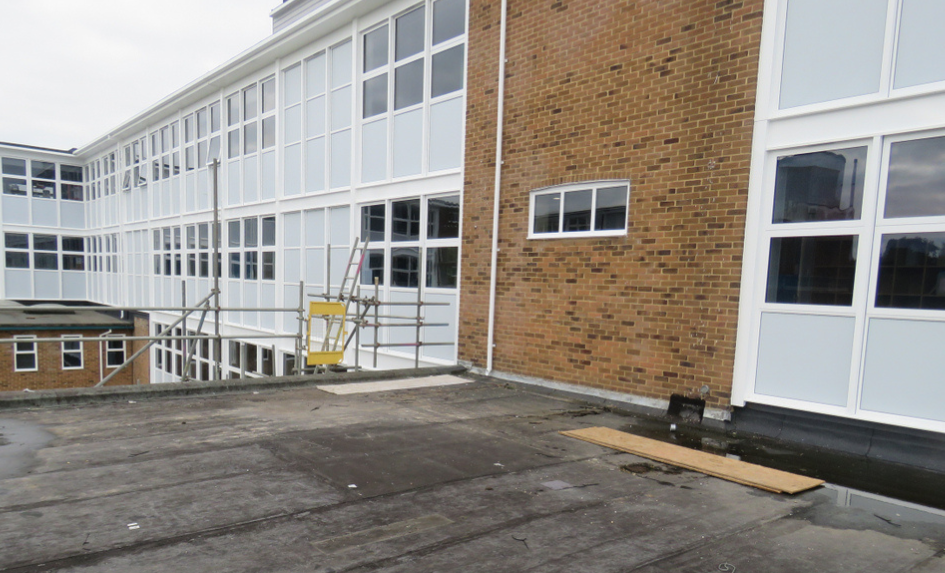
I see the effect of tight budgets first-hand. Schools patch roofs they should replace. They nurse boilers they should take out and renew. This means that the building remains open, but the long-term bill rises and the estate slips further into decline.
I understand why leaders do it. When money is short, a repair feels more affordable than a replacement. However, over time, it rarely is. Replacing a failing element before it breaks is almost always cheaper than paying for an emergency fix.
Getting ahead
You cannot control the Budget. You can control how ready you are for whatever follows.
This is where I would start:
- Know what you have. Build one accurate record of your buildings, their age and their condition. Check it against your latest surveys.
- Refresh old surveys. Out-of-date condition data weakens any funding case. If yours is several years old, commission a new one.
- Build an asset management plan. Rank works by risk and cost, not by whoever shouts loudest.
- Protect compliance spending. Fire safety, water, gas and electrical checks are not optional. Ring-fence the money before anything else.
- Plan replacements by lifecycle. Know when roofs, boilers and windows reach the end of their lives, and budget for it.
- Brief your governors or trustees. They need to see the risk before it becomes an emergency.
Putting a plan in place
At AEC Estate Consultants, we know that a good estates plan does two jobs. It helps you run the school day to day. It also builds your case for funding.
If the Government moves towards allocating money by evidenced need, schools with clear, current data will be best placed. Those without it will struggle to prove what they need, however real the problem.
So treat the data work as an investment, not a box-ticking exercise. Every hour spent on it strengthens your hand in the next funding round.
Look at the Department for Education’s Urgent Capital Support arrangements if you face a genuine emergency. Explore lettings and other income too. But treat these as extras. They should top up proper government funding, not stand in for it.
Making the right choices
Where money is tight, I would put the basics first. Buildings should be safe, weatherproof, warm and healthy before anything else. That means roofs, structure, heating, ventilation and water.
Get those right and everything else gets easier. Energy efficiency, climate resilience and adapting spaces for changing needs all rest on sound foundations.
Schools are doing their part. They are gathering the data, writing the plans and working towards the standards.
Now the Government must do its part. It should commit to funding based on real, evidenced condition. It should pay for the assessments and compliance work it now expects. And it should tell schools what replaces the Condition Improvement Fund, well before it disappears.
Measuring the problem is a start. Funding the fix is the point.
Mark Jackson is Funding & Bid Director at AEC, specialist estate consultants for education and healthcare.