During the autumn term, students and staff take part in lots of celebrations, both in and out of school.
Halloween and Bonfire Night, Diwali, Hannukah and Christmas... These celebrations and events bring with them a range of additions to the usual school calendar as concerts and special services are staged, fireworks displays organised, plays and parties planned.
Ups and downs
While the term brings joy and excitement to people of all ages, these additional elements do add to the sensory input – and for some SEND children, it can make things feel a little overwhelming. So it’s important to include some additional support. A survey by the National Autistic Society revealed that many parents of children with autism feel anxious about social situations at Christmas, with 73% stating they worry about how their child will cope.
So while the priority at this time of year is to make the celebrations fun and enjoyable for all the young people in our care, it’s vital that we remember that for some of them, it brings with it extra layers of stress. We owe it to them all to help them be comfortable and happy.
Routine
Many SEND children rely on routine. Predictability feels safe and helps them process and feel in control as they navigate the transitions of the day.
A timetable that is now temporarily interrupted with rehearsals, meals and parties could leave some SEND students struggling, exacerbated by classrooms being changed around to make way for decorations. Outside school, later meals and bed-times and an increase in visitors can have an impact.
Creating a clear timetable well in advance, displaying it around the school and sharing it with families can help.
Visual triggers
This is a loud and colourful season! Songs, music, fireworks and lights dominate all of the main celebrations. From tinsel to trees, fireworks to fairy lights, there are lots of bright new decorations that will stimulate the senses in a different way.
Sometimes involving the young people in the putting up of the decorations can help. However, for other children being able to stay apart from this is best; recognising that it is fine to let them do so is key.
Auditory triggers
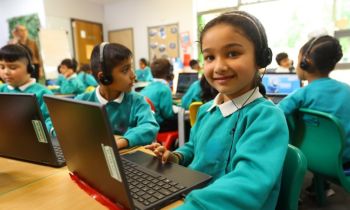
These same fireworks, lights and songs also add to the auditory input, added to by the increases in the amount of people, as all celebratory events naturally attract crowds. This time of year brings with it busy shopping centres, Christingle and nativity concerts, festivals of light and several fireworks displays. Headphones are helpful in particularly loud scenarios and providing children with break passes so that they can move into quieter settings is sensible.
Communication
Start with open and honest conversation. Schools need to communicate to all students that it might feel a little overwhelming for some. They should encourage empathy and awareness if any children need to take a step back or step out at some point.
Working closely with families and parents, staff can ensure that their SEND students are aware of changes coming up, well in advance. Visual schedules can clearly show when and where different events are taking place help. Teaching colleagues should be made aware that room changes and transitions may need a little longer than normal in order for some students to acclimatise.
Planning
Involving children in the planning can often help, but setting realistic expectations is also important. Some will not be able to take centre stage in a play for example, or want to be front row for fireworks.
Costumes with different fabrics and colours may not be suitable, so involving the children in any choices is important. Creating calmer time-out spaces for them to decompress will be helpful and ensuring that they know they have this option.
Preparing in advance and creating the space for young people to be themselves throughout the celebrations will mean you do not to minimise the partying for other children. All of these are hugely important religious and cultural festivals and should be enjoyed by everyone.
It’s perfectly possible. Helping the young people navigate this season just takes a little more awareness and a little more planning.
Joanna Gibbs is the founder of SENsational Tutors. The company provides specialist tutors all over the UK, supporting young people with a range of needs and providing a partnership approach with parents and families, while working closely with schools, colleges and local authorities. The company has hundreds of specialists working with thousands of young people.