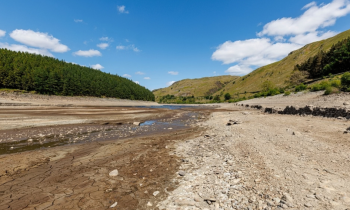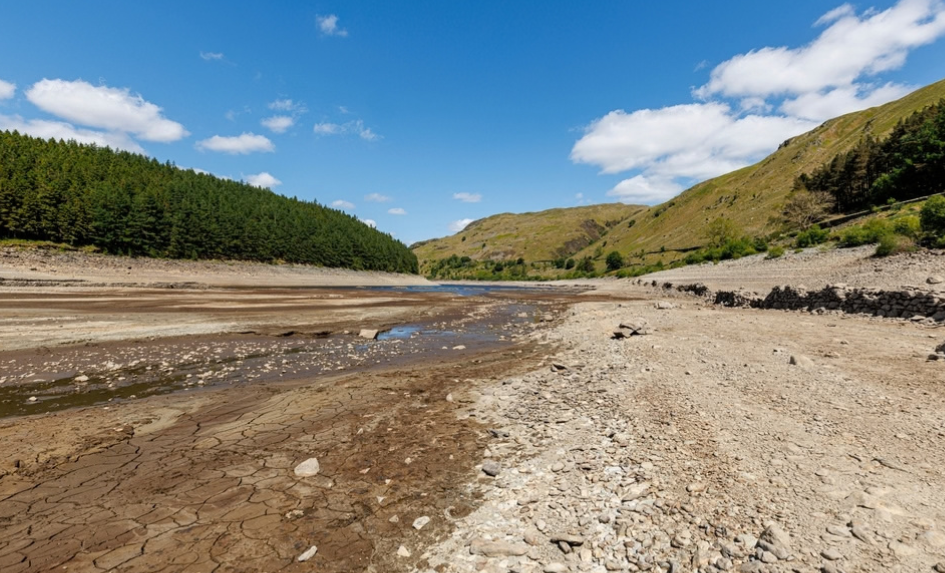
This summer – provisionally confirmed by the Met Office as the hottest on record – saw pupils across the country sent home as temperatures soared amid news stories of wildfires and water shortages.
It’s enough to make even the most environmentally savvy of us worry about climate change and how we can live more sustainable lives, let alone our impressionable young people.
Worrying times
I believe climate anxiety is the biggest challenge we face when talking about sustainability with our pupils, and it’s our role to guide children from feeling overwhelmed to feeling empowered.
A YouGov survey commissioned by Greenpeace UK last year found that 78 per cent of primary school-aged children are worried about climate change, including 27 per cent who said they were ‘very worried’.
Share don’t scare
The best way to leave children feeling motivated rather than anxious and unsure, is to provide them with practical activities and agency. I often tell teachers to think about it in these simple terms: make sure there is always a next step they can realistically take.
For example, when talking about waste, KS1 pupils could be set a task to sort recycling into the correct bins as they learn best through direct, sensory experiences. KS2 pupils are capable of investigation and campaigning, such as leading a plastic-free lunch initiative and creating posters to display around the school.
Keeping watch
During these activities, we can manage anxiety by checking in with pupils who seem particularly worried, being mindful of the language we use and presenting facts in an age-appropriate way.
For example, KS1 best learn through stories and songs rather than statistics, while KS2 can process more detail if they are reassured that these issues are being addressed by adults as well as by them.
Getting outside
Whilst science and geography are the obvious subjects in which to teach sustainability, the topic does not great resource, especially as outdoor learning rarely needs a budget or a specialist. Even if a school doesn’t have much outdoor space, just taking pupils out of the classroom to experience weather, temperatures and the changing seasons helps start conversations around sustainability.
There are many activities that you can introduce into lesson plans to help the issues of sustainability come alive. For example, students could carry out a biodiversity audit, mapping potential planting or wildlife areas within the school and passing suggestions to your school’s sustainability lead. This gives students the opportunity to take ownership of their school environment.
Involving pupils in a growing project, from herbs in a window box to a full vegetable bed, is an effective way to spark discussions on sustainability, waste and food consumption. Their produce can then be used in cooking lessons or the school canteen.
From my experience, children are naturally interested in sustainability and are concerned about the future. It’s our job to nurture these interests while providing support. Giving pupils the tools and understanding to take practical action will, in turn, help reduce their levels of climate anxiety by making them feel confident that sustainability issues can be tackled.
Start local
A walk around the school grounds beats simply talking about their environment. Always pair a problem with an action pupils can take that day, however small, so understanding turns into agency. As an example, you could aim to pick up five pieces of litter on your walk.
Choose experiences over worksheets
Planting, auditing and presenting stick better in memory and create less waste in the process.
Make it cross-curricular
Map new ideas against what is already taught elsewhere, so pupils build connections instead of hearing the same fact twice across different subjects.
Give pupils a genuine decision to make
Even a small choice, like wording on a poster, will give pupils a real sense of ownership.
Celina Sullivan is a former primary teacher and deputy head, now Northwest regional advisor for Jigsaw Education.