Pupil poverty is short-changing children out of getting the education they deserve. In Watford, where my school, Parkgate Junior, is situated, research suggests one in nine children were living in poverty in the year to March 2023.
Our 240 pupils come from a mix of socio-economic backgrounds; many of them live in the nearby social housing estate. Just 13 per cent of our children qualify for free school meals, which is well below the national average of 24.6 per cent, but hides the real picture.
While Parkgate has below average numbers of pupil premium recipients, there are many families finding it hard to make ends meet but who don’t qualify for free school meals. These ‘just about managing’ – or JAMs – include parents working two jobs and those involved in the grey economy.
This is not unusual, given that 80 per cent of families using a food bank have at least one working parent.
Identifying the challenges
Our leadership team undertook training to help build awareness of financial barriers to education, identify problem areas and unseen inequalities, and discover more about breaking the link between financial background and educational outcomes.
The training shone a light on areas we’d not considered before and completely changed how we look at everything. I’m always thinking of the cost to our families.
Working with two other schools in the area, we recently engaged the team at HFL Education to help diagnose causes and look at different strategies to address underlying issues facing children and families in their area.
As part of the activity, staff, parents and pupils completed questionnaires. These served as a deep dive into the unique and common challenges facing the schools and the communities they serve.
Using the insights gathered, we were able to put together a plan to make Parkgate even more inclusive, with a series of practical actions. These were small changes aimed at making big differences.
School clothing
Uniform is arguably one of the biggest expenses for parents after food. Many schools have embraced non-branded uniform, which can be purchased at supermarkets, and promote ‘pre-loved’ uniform to make it more affordable and sustainable.
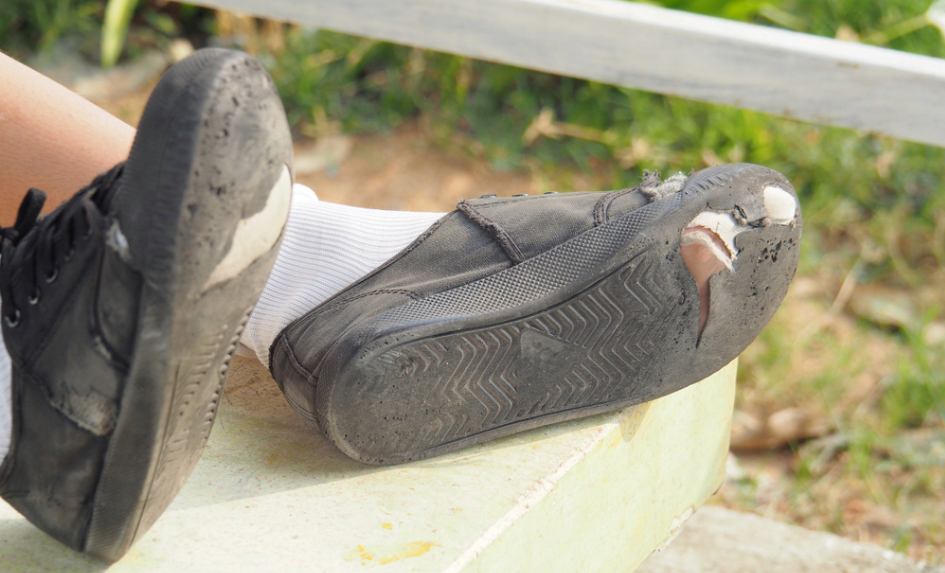
PE kit was our biggest challenge. Some of our children never came in with a kit, so we bought it for them in the end. Plimsolls and outdoor trainers were particularly problematic: children’s feet grow so fast!
In response to this, we changed our uniform policy to allow black trainers as school shoes. This meant that if parents could only afford one pair of shoes, they could be used for both the school day and PE.
Trips
The cost of excursions is too much for many families to afford, so we explored options that were closer to home and on a smaller scale, to ensure cost would not exclude any child from taking part.
So, we now have a residential at school! Children sleep in the classrooms, we set up a virtual campfire outside and go to a local park in the day. We’ve done trips to nearby woods and class outings to the local post box to post a letter written in class.
All these experiences are free or extremely low cost, but still enriching for the pupils.
School dinners
We made a number of changes to our school meals programme to ensure all our children were well fed and that meals were good value for money. It’s really important that we provide satisfying meals that children want to eat, so we did a survey of our pupils to find out what they wanted to see on the menu.
We updated the food choices based on their feedback and upped the size of our portions to make sure there was plenty of food on the plate. Our school dinners are now more popular, and less food goes to waste as children clear their plates.
Fundraising
Parkgate Juniors has a pro-active PTA, but some fundraising activities adversely impacted attendance. If they didn’t have a pound for non-uniform or a costume for fancy dress, children would not come in. If we do dress-up days now, it’s something like wearing odd socks, so every child can join in.
To make events (such as school discos) more inclusive we offer early bird discounts and family prices.
Getting everyone on board
Tackling pupil poverty is everyone’s responsibility and that includes every member of staff, whether frontline teaching or office staff. Class teachers and TAs may notice some indicators of hardship and poverty, but equally our lunchtime or reception staff may recognise financial barriers we need to respond to as they interact with children and parents.
Getting our governors on board was also crucial because there is a cost involved in this work – whether that’s a whole-school expense like our subsidised sports clubs, or supporting individual families, for example by sorting their home broadband so they can do homework.
Parent communication is also key: for those experiencing financial difficulties, intervention and communication have to be respectful.
We’ve also found there are difficult conversations to be had with our more financially secure parents, too. They want a full, educational experience for their child and there can be some frustration if we aren’t offering those big experiences because they are not affordable for all.
If you’d like support, advice and tips on how to challenge financial barriers to education in your school, visit hfl.mobi/eeearticle
Sarah Pipe is headteacher at Parkgate Junior School in Watford.