When thinking about sustainability, it’s tempting to dive in with grand plans; but the most effective changes are often small and manageable.
Begin with one area of focus – energy, waste, or food – and build from there. Small changes add up, and they’re easier for staff and pupils to embed into everyday routines. Here are some ideas…
Rethink resources
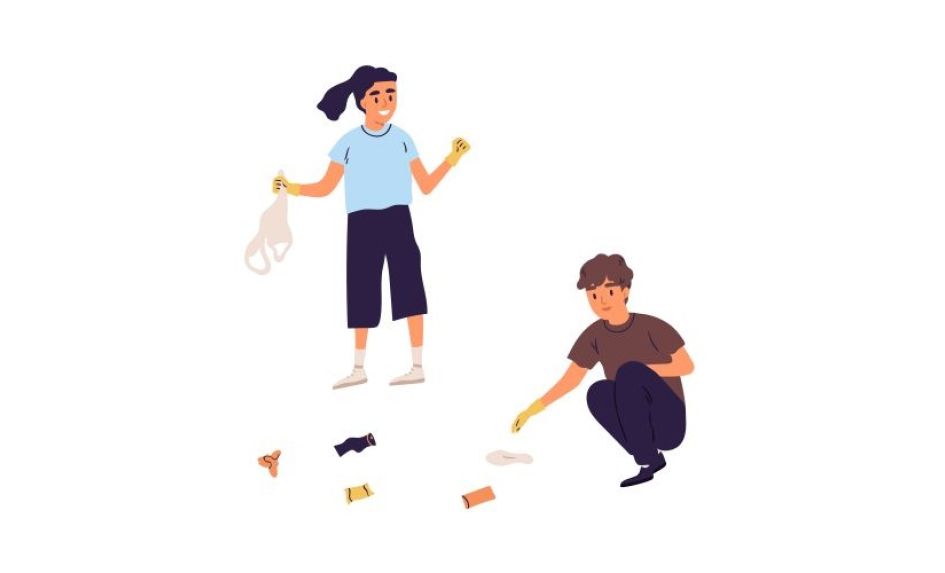
Waste is often the most visible starting point. Could your school reduce single-use plastics in the canteen? Many suppliers are now open to conversations about more sustainable packaging and practices, and engaging children in waste audits, such as Trash Mobs, can also be powerful. Pupils love counting crisp packets, and it’s a great bit of citizen science, too! It sparks ownership and makes sustainability real rather than abstract.
Quick win: start with lunchtime – reducing packaging or swapping to reusable cutlery can make an immediate difference.
Empower pupils to lead
Sustainability works best when children feel part of the journey. Organisations like the Ministry of Eco Education (ministryofeco.org) offer structured ways for pupils to lead campaigns, resources to support teaching, and opportunities to take meaningful action. From energy monitors in classrooms to litter picks in the playground, giving children responsibility builds not only awareness but confidence, too.
Pupil power: give children visible roles – eco-monitors, assembly speakers, or campaign leaders.
Make it real
Link curriculum to sustainability wherever possible. Whether it’s a science lesson on biodiversity, geography work on global responsibility, or art projects using recycled materials, sustainability can be woven into daily teaching. For those near the coast or rivers, outdoor learning can be a brilliant way to connect children with nature and nurture a sense of stewardship.
Celebrate progress
Sometimes schools worry they’re not ‘doing enough’. But progress matters more than perfection. Share updates in assemblies, newsletters, or displays so pupils can see the difference their actions make.
Recognising effort builds momentum – and children often take those habits home.
Look outwards for support
There are excellent organisations offering free resources, toolkits, and inspiration. Let’s Go Zero is a great one-stop shop, signposting schools to a wide range of organisations that can support them in becoming more sustainable, and you can join Plastic Free Schools for free, to gain access to a multitude of helpful resources.
Big picture: every school is now expected to have a Climate Action Plan. Building sustainability into daily routines helps make real progress towards this.
Sustainability is not a ‘nice-to-have’; it’s a responsibility. With small steps, pupil leadership, and a willingness to rethink how we do things, schools can become powerful forces for change.
Lara Jeffries is education manager at Surfers Against Sewage and a former headteacher.